


For thirty-two years, I didn’t understand the songs. I didn’t understand the poems, the proclamations, the pedestal upon which it was placed. I didn’t understand all the fuss about it.
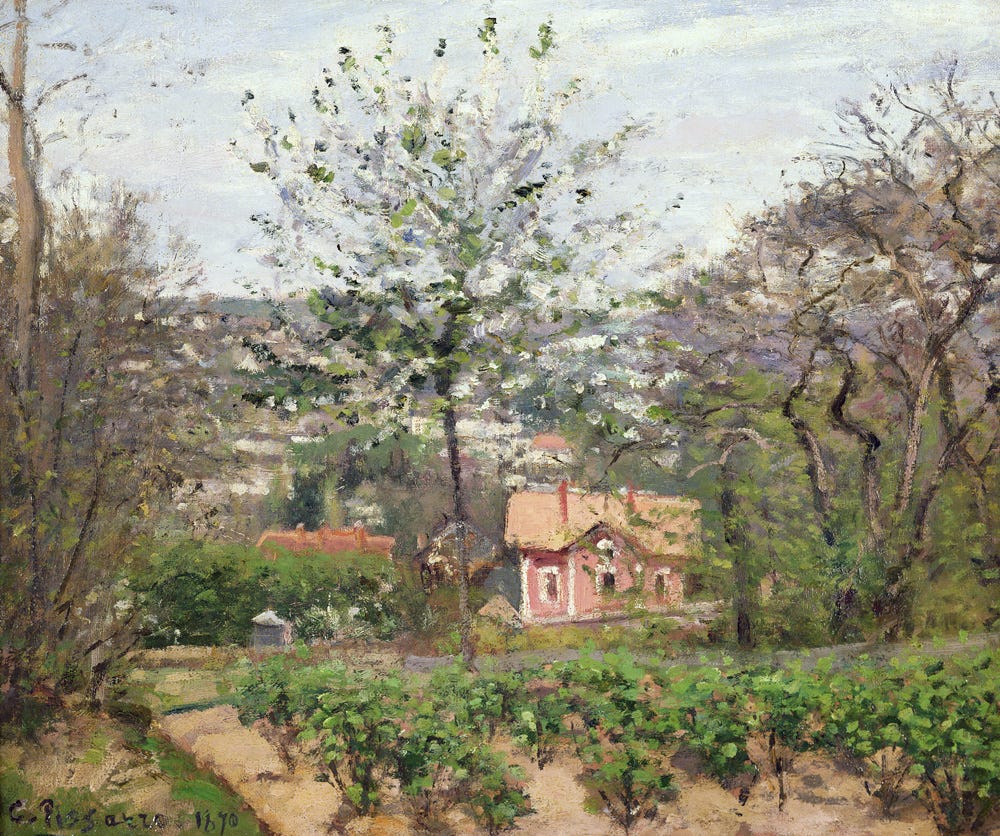
The thing that people called love was, in my experience, utilitarian and quantifiable. It was a familiar fondness, a pragmatic association with another. There was a sort of algorithm to it: you have qualities that I find desirable, and this thing makes sense from a procedural perspective, so yeah, I suppose I love you. It was like finding a house that met all the requirements. Open kitchen? Check. Natural light? Check. Big backyard, walk-in closet, guest room? Check, check, check. Guess I should put in an offer.
It was this quantifiability that made me think the songs and such were a bit much. This thing I called love was cool, without a doubt; nice houses are, indeed, nice. But all the theater around it seemed like a bit of overkill. The love I experienced was something tangible and concrete, something with clear borders and boundaries that I could categorize and define. It was perfectly nice-looking and useful—a fine dwelling for a sensible life. Nothing to sneeze at, but not a reason to start a ten-year war against Menelaus and Agamemnon’s army, either.
Then, of course, it happened.
The specifics aren’t important, only that it echoed all the other stories: it was unexpected, unplanned, and totally, utterly unforgettable.
Now, the thing I could so easily define defies definition—defies language itself, really. It’s not a house but a home, the kind you could never in ten lifetimes have designed yourself but know the moment you walk in that this is precisely where you were meant to live. That it’s the only place you could possibly live.
Alex, your precious few, and well chosen words convey the infiniteness of what you write about. Utterly love-ly.
I’m happy for you, pal.
Alex, you remind us so eloquently that the most important things in life – like love – cannot be be quantified, deconstructed or even shoehorned into this limiting thing called "language." Perhaps if they *could*, they wouldn't be all that important to begin with.
Well done.